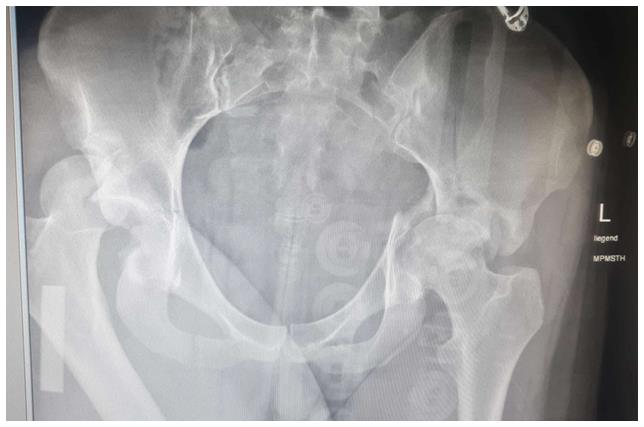
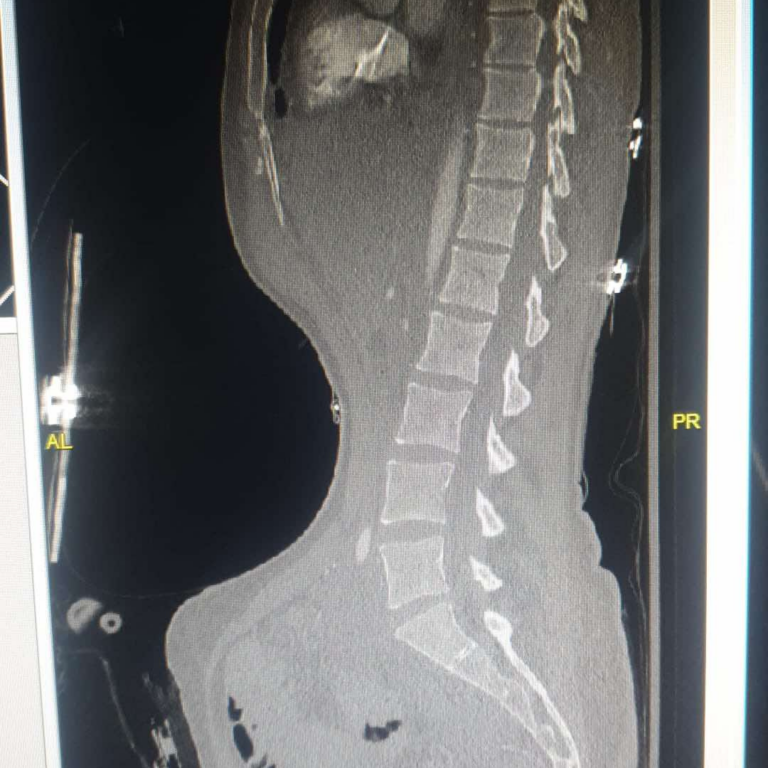
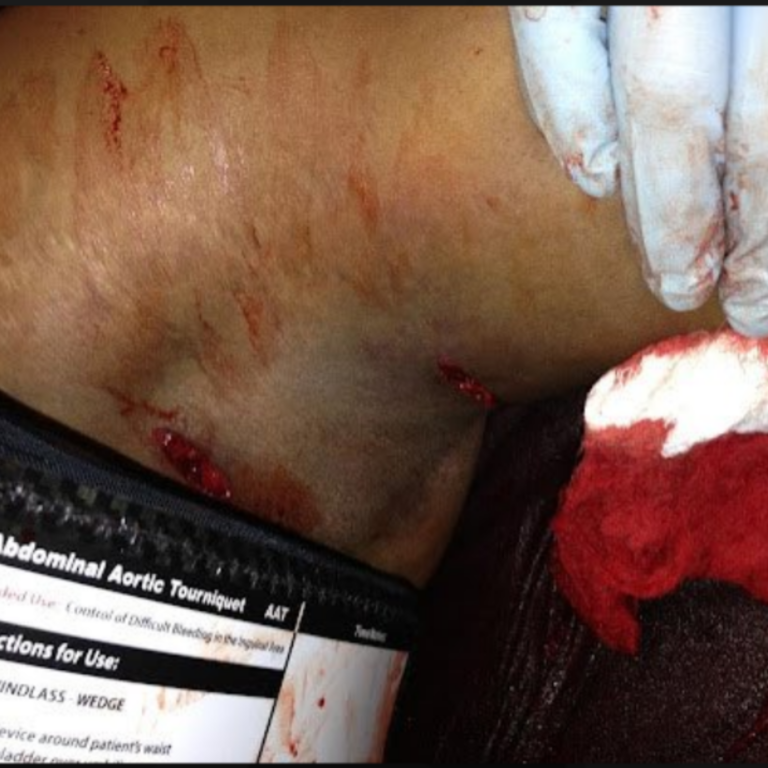
A woman in her 20s sustained severe blunt force trauma in a motorcycle accident, resulting in a pelvic fracture, hip dislocation, and lacerations to the liver and spleen. She arrived at the trauma center in hemorrhagic shock with a systolic blood pressure in the 70 mmHg range.
The trauma team immediately initiated a massive transfusion protocol using whole blood. Despite aggressive resuscitation, the patient’s systolic blood pressure remained critically low, raising concern for ongoing internal bleeding.
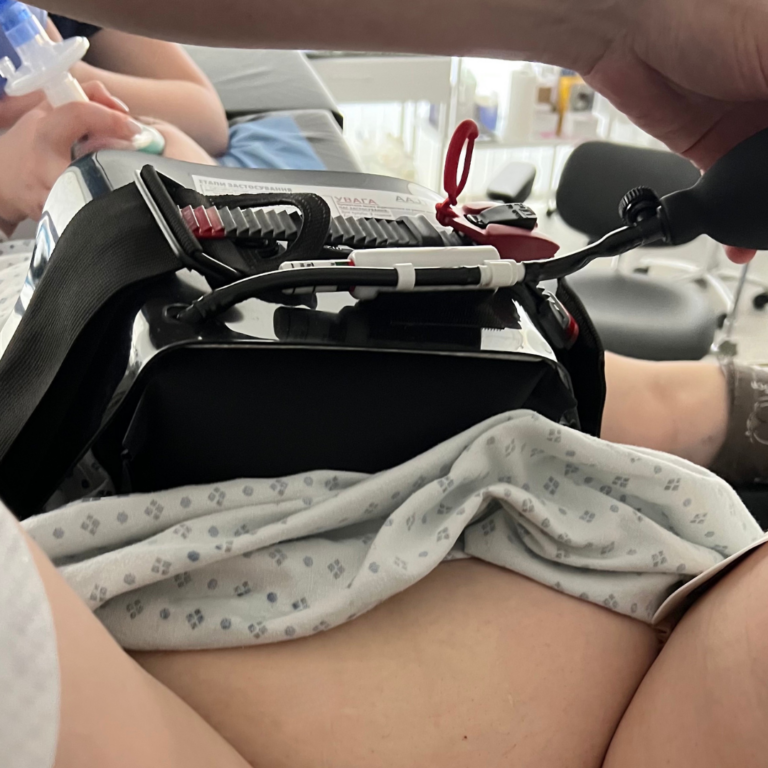
Clinicians applied the AAJT-S (Abdominal Aortic and Junctional Tourniquet) to externally compress the abdominal aorta and temporarily occlude blood flow. Within minutes, the patient’s systolic blood pressure increased to between 90 and 100 mmHg and remained stable for the 40 minutes it took to get imaging and prepare for damage control surgery.
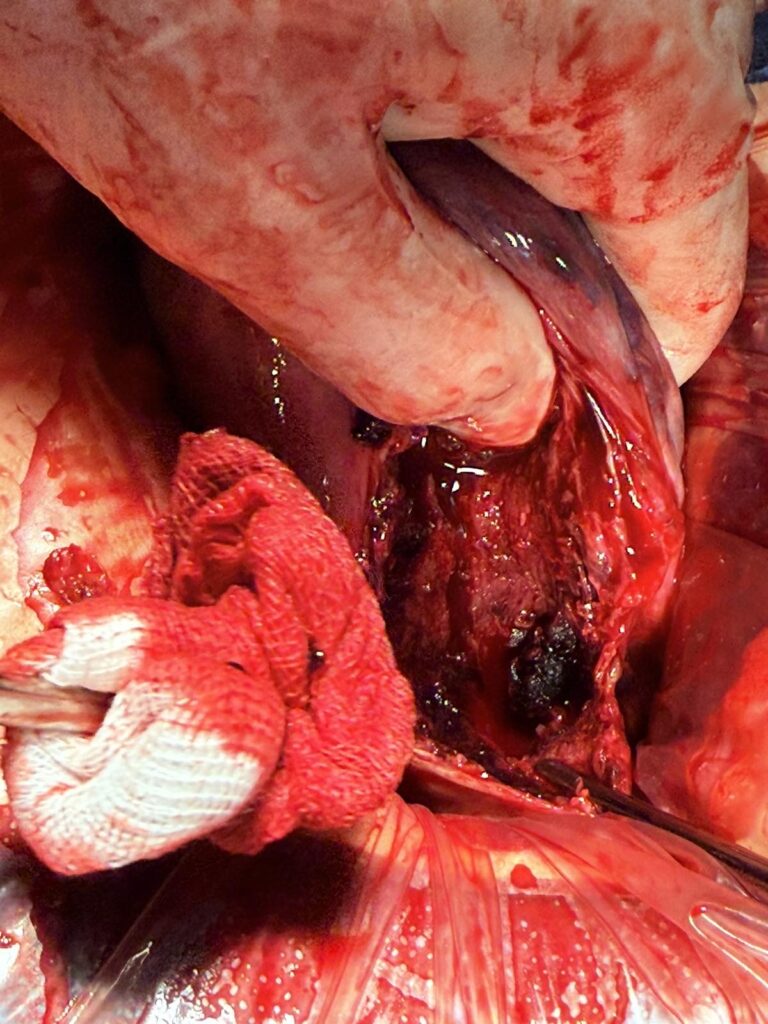
The hemodynamic stabilization provided by the AAJT-S created a bridge to definitive hemorrhage control, allowing the patient to safely undergo diagnostic imaging before proceeding to successful damage control surgery.
Following definitive surgical management, the patient recovered and was discharged in stable condition.
Clinical Significance: This case demonstrates how the AAJT-S can provide temporary aortic compression during damage control resuscitation, stabilizing patients with hemorrhagic shock caused by pelvic trauma when standard resuscitative measures alone are insufficient. By serving as a bridge to diagnostic imaging and definitive surgical intervention, the AAJT-S may help preserve critical time in the management of severe traumatic injuries.